
Insulation, solar and EV charging in Winchester
Winchester is the furthest of our core towns, about forty-five minutes up the M3 from Gosport, and it is different from the coast in almost every way that matters to us: sheltered, inland, chalky, and with a great deal of housing that needs careful handling.
Winchester's housing and what goes wrong with it
The city centre and the streets around the Cathedral, Hyde and St Cross are largely Georgian, Victorian and older, solid-walled, and in many cases listed or in a conservation area. Cavity wall insulation is not an option for these houses and we will not pretend otherwise; loft insulation, draught-proofing and, where consent allows, solar on rear roofs are the realistic measures.
The cavity-walled stock is in the 20th-century suburbs. Stanmore, Winnall, Weeke, Harestock and Teg Down are largely post-war estates. Badger Farm and Oliver's Battery are 1970s to 80s, and Kings Worthy, Alresford, Bishop's Waltham and the villages have post-war estates on their edges. Most of these have sound brick cavities and, being inland and sheltered by the Downs, they are in a lower wind-driven-rain band than the coast. Mineral wool here is less likely to have been soaked than it is on the coast, so more of the work is installing than removing.
The exception is the flint and brick cottages and barn conversions in the villages, where "cavity" can mean anything. Those get a borescope before anything else.
What Winchester homes typically need
- Cavity wall insulation installation in the empty cavities of Weeke, Harestock, Badger Farm and the village estates.
- Loft insulation and raised boarding, including in the older city-centre houses where it is often the only insulation measure available.
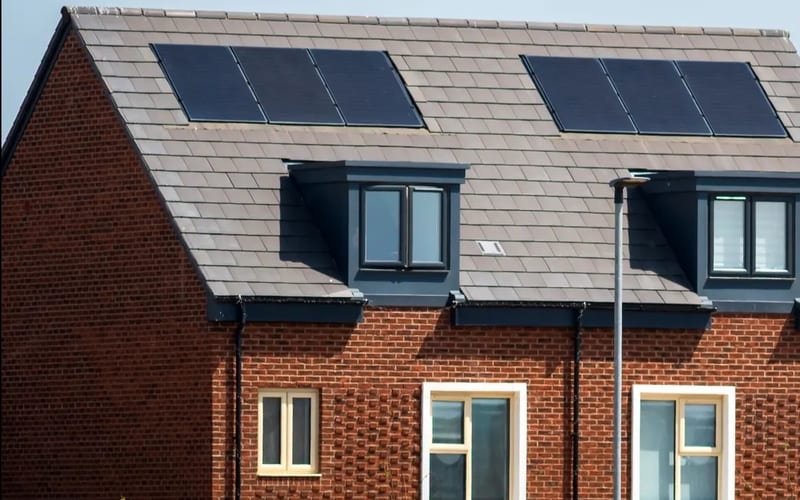
- Solar panels and battery storage, with careful attention to planning in conservation areas and on listed buildings.
- Cavity wall insulation removal where it has failed. That is less common here than on the coast, but it still happens.
Typical Winchester houses and what we usually look for
This is general local knowledge about the houses, not a list of finished jobs.
1950s to 70s semis in Weeke and Harestock
Cavity walls that are often empty or in good order, being inland and sheltered.
Victorian terraces in the city centre and Hyde
Solid walls, so no cavity work; loft insulation, draught-proofing and boarding are the realistic measures.
1970s to 80s detached houses in Badger Farm and the villages
Good solar and battery candidates, with careful attention to planning in conservation areas.
Grants in Winchester
Winchester City Council is part of the Portsmouth-led consortium that runs the Warm Homes: Local Grant locally as Warmer Homes, operated by Agility Eco. It is currently oversubscribed, with a waiting list. Only 25 Winchester postcodes are on the government's eligible list (all in the SO22 4 sector), so most applications go through the income or benefits routes. We have applied to join the Warmer Homes installer network and are not confirmed on it yet.
Warm Homes: Local Grant guideNow open
Warm Homes Loan — solar and battery finance
The Warm Homes Loan Scheme opened on 27 October 2026. It gives homeowners a lower-interest loan — up to £15,000 for solar panels and a further £15,000 for battery storage. No means test. We provide the written MCS quote a lender needs; you apply to a participating lender and we install once funding is confirmed.
Get a lender-ready quoteWinchester FAQs
My house is listed. What can you do?
Loft insulation, pipe and tank insulation and draught-proofing almost always. Solar may be possible on a rear or outbuilding roof with listed building consent. Cavity wall insulation does not apply to solid walls. We will give you a straight answer at the survey.
Which Winchester estates have cavity walls?
Stanmore (later phases), Weeke, Harestock, Teg Down, Badger Farm, Oliver's Battery, Winnall, and the post-war estates in Kings Worthy, Alresford and Bishop's Waltham. The city centre, Hyde and St Cross are mostly solid.